How to Think About Catastrophe: Toward a Theory of Enlightened Doomsaying
This post was published 3 years ago. Download links are most likely obsolete. If that's the case, try asking the uploader to re-upload.
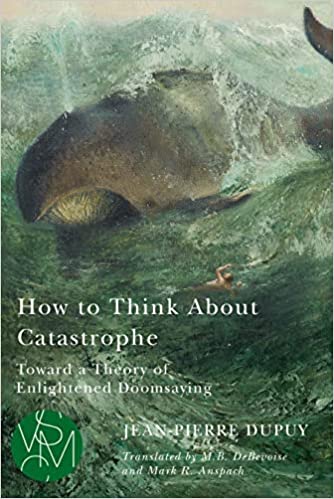
English | ISBN: 1611864364 | 2022 | 194 pages | PDF | 4 MB
During the last century humanity acquired the ability to destroy itself. The direct approach to destruction can be seen in such facts as the ever-present threat of nuclear war, but we have also developed the capacity to do indirect harm by altering conditions necessary for survival, including the looming cloud of climate change. How can we look forward and work past the dire position we now find ourselves in to achieve a sustainable future? This volume presents a new way of thinking about the future as it examines catastrophe and the human response. It examines different kinds of catastrophes that range from natural (e.g., earthquakes) to industrial (e.g., Chernobyl) and concludes that the traditional distinctions between them are only becoming blurrier by the day. This book aims to build a general theory of catastrophes—a new form of apocalyptic thinking that is grounded in science and philosophy. An ethics for the sake of the future is what is required, which in turn necessitates a new metaphysics of temporality. If a way out of the imminent danger in which we find ourselves is to be found, we must first look to radically alter our ethics.
Quick check before we show the links
Helps us keep automated scrapers from hammering the filehosts.