Modernism in the Peripheral Metropolis: Form, Crisis and the City in Latin America
This post was published 2 years ago. Download links are most likely obsolete. If that's the case, try asking the uploader to re-upload.
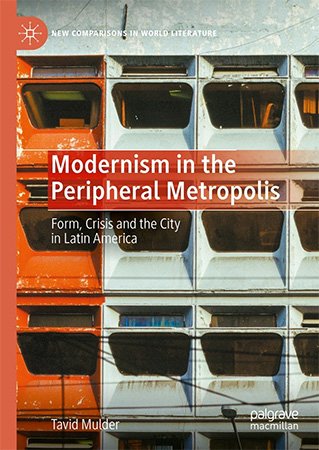
Tavid Mulder | 2023 | ISBN: 303134054X | English | 232 pages | ePUB, PDF | 7 MB
Series: New Comparisons in World Literature
This book shows how Latin American writers and artists in the crisis-decades of the 1920s and 1930s used modernist techniques to explore national issues in relation to global capitalism. Drawing on a rich interdisciplinary archive of novels, poetry, essays, photography, and architecture, it includes chapters on major figures and the transformations that marked Latin American cities at the beginning of the twentieth century: the poet Manuel Maples Arce and Mexico City; the essayist José Carlos Mariátegui and Lima; the novelist Roberto Arlt and Buenos Aires; the novelist Patrícia Galvão and São Paulo. Tavid Mulder argues that the Latin American city should be understood as a peripheral metropolis: a social space that is simultaneously peripheral relative to the center of the world economy and a metropolis in relation to the region’s vast, underdeveloped hinterlands. Conceiving of modernist techniques as ways of understanding how the dualisms of Latin American societies—urban and rural, wealth and poverty, cosmopolitan and national—are bound together by the internal contradictions of capitalism, this volume insists on the ability of literary and artistic works to grasp the process through which untenable situations of crisis are not overcome but stabilized in the periphery. It thereby sheds light on issues in Latin America that have become increasingly urgent in the twenty-first century: inequality, indigenous migration, surplus populations, and anomie.
Quick check before we show the links
Helps us keep automated scrapers from hammering the filehosts.